Jasper County vs. Beaufort County: A Lowcountry Homebuyer’s Guide

Jasper County vs. Beaufort County, SC: Pros, Cons & Key Differences for Lowcountry Homebuyers
What is the difference between Jasper and Beaufort County? Here is the quick answer:
Beaufort County offers closer coastal access, established communities in Bluffton and Hilton Head, and a wider amenity network. Jasper County offers more home for the money, newer construction near Hardeeville, and strong I-95 access to Savannah. The right county depends on your budget, lifestyle, and daily commute.
If you're relocating to the South Carolina Lowcountry, one of the first decisions you'll face is choosing between Beaufort County and Jasper County. They share a county line—and a lot of Lowcountry scenery—but the everyday living experience can feel surprisingly different depending on where you land.
Beaufort County includes Hilton Head Island, Bluffton, Beaufort, and Port Royal, along with several sea-island communities. Jasper County includes Hardeeville, Ridgeland, and rapidly expanding neighborhoods near the Beaufort County border.
Both counties offer mild winters, coastal scenery, and easy access to Savannah. But housing costs, development pace, daily conveniences, flood insurance exposure, and proximity to the water differ in ways that matter to a buyer's long-term quality of life.
Already know what you're looking for? Browse current Lowcountry listings — or reach out to Stacy Whitt for a personalized county comparison.
▶ Bluffton & Hilton Head Community Tour
Can't see the video? Watch on the Lowcountry Lifestyle Concierge YouTube channel.
Beaufort County vs. Jasper County, SC: Side-by-Side Comparison
| Homebuyer Consideration | Beaufort County | Jasper County |
|---|---|---|
| Median home value (2020–2024) | $455,600 | $325,500 |
| Community variety | Broad — coastal, golf, gated, historic, age-qualified | Growing — newer subdivisions, rural acreage |
| Shopping & dining | Extensive, especially in Bluffton & Hilton Head | Expanding; some drives into Bluffton or Savannah |
| Beach & waterway access | Direct access to beaches, tidal creeks, marinas | Inland overall; day trips to the coast |
| Interstate & Savannah access | Good, but US-278 congestion is common | Excellent via I-95 |
| Growth pattern | Established with continued infill | Rapid — one of the fastest-growing counties in the U.S. |
| Flood/wind insurance exposure | Higher in coastal and low-elevation areas | Generally lower; verify by property |
| Best suited for | Buyers prioritizing coastal lifestyle and established amenities | Buyers prioritizing value, space, or regional access |
Median home values: U.S. Census Bureau QuickFacts, 2020–2024 5-year estimates. Not a substitute for current comparable sales.
Beaufort County, SC: Advantages for Homebuyers
Does Beaufort County offer better access to the coast?
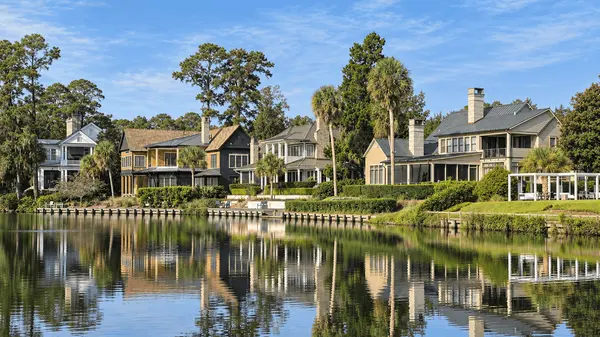
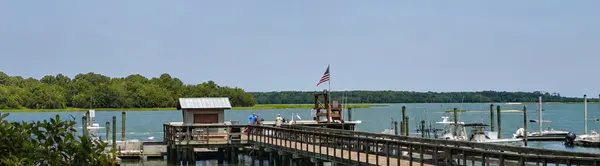
Yes. Beaufort County provides direct access to Hilton Head Island's beaches, the May River, Port Royal Sound, the Beaufort River, public boat landings, marinas, and miles of tidal creeks and marshes. For buyers whose vision of Lowcountry living involves boating, kayaking, fishing, beach walks, or sunsets over the marsh, Beaufort County typically puts those experiences much closer to home. The county spans a wide range of settings—from Palmetto Bluff and Berkeley Hall in Bluffton to resort-style communities on Hilton Head Island and the historic districts of downtown Beaufort.
Is Beaufort County better for shopping, dining, and healthcare?
For most buyers, yes. The greater Bluffton and Hilton Head corridor has a well-developed network of grocery stores, medical offices, restaurants, cultural venues, and professional services—especially valuable for retirees, frequent travelers, and buyers who don't want to drive 20+ minutes for everyday needs. Healthcare access is expanding significantly; read about Novant Health's $320 million Bluffton hospital and what it means for homebuyers, and our broader Lowcountry healthcare expansion update. Keep in mind that location within the county matters—a home in northern Beaufort County may have a different relationship to Bluffton amenities than one in the south.
What kinds of communities are available in Beaufort County?
A wide spectrum. Beaufort County contains condominiums and townhomes, golf and tennis communities, waterfront estates, equestrian properties, historic in-town homes, and age-qualified neighborhoods like Sun City Hilton Head. That variety makes it easier to find a community whose amenities and maintenance requirements match your lifestyle. Before buying into any planned community, review the complete ownership cost—our guide to HOA and POA fees in Bluffton and Hilton Head covers what buyers most often miss.
Beaufort County, SC: Potential Drawbacks
Are homes more expensive in Beaufort County?
Yes, generally. The U.S. Census Bureau's Beaufort County QuickFacts reports a 2020–2024 median owner-occupied home value of $455,600—roughly $130,000 more than Jasper County. This countywide figure is a historical estimate, not a current listing price, but it illustrates the cost gap. Buyers may need to accept trade-offs on square footage, lot size, age of home, or distance from the water to stay within budget.
How bad is traffic in Beaufort County?
US-278 can be a real challenge. The principal route connecting greater Bluffton with Hilton Head Island sees real congestion during summer mornings and late afternoons, and the bridge approach adds to delays. Planned US-278 Corridor Improvements address capacity, but construction phases can temporarily worsen conditions before they improve. Always test your anticipated commute during peak hours before committing to a specific address.
What about flood and wind insurance in Beaufort County?
Coastal proximity increases exposure. Flood risk is property-specific: two homes in the same neighborhood can sit in different flood zones, at different elevations, and face very different premium levels. Standard homeowners insurance does not cover flood damage. Always obtain actual homeowners, wind, and flood insurance estimates before your due-diligence period ends. The South Carolina Department of Insurance publishes flood insurance guidance every coastal buyer should read.
What about community fees and restrictions?
They can be significant—and easy to underestimate. Many Beaufort County properties sit inside planned communities or condominium regimes. Amenities add lifestyle value, but the related costs and restrictions must be understood in full before purchasing. Review the governing documents, current budget, reserve funding, pending litigation, insurance coverage, rental policies, and recent meeting minutes—not merely the advertised annual dues figure.
Jasper County, SC: Advantages for Homebuyers
▶ Hardeeville & Jasper County Real Estate Overview
Can't see the video? Watch on the Lowcountry Lifestyle Concierge YouTube channel.
Is housing more affordable in Jasper County?
In most cases, yes. The U.S. Census Bureau's Jasper County QuickFacts reports a 2020–2024 median owner-occupied home value of $325,500, compared with $455,600 in Beaufort County. That $130,000 gap is why many buyers—especially those seeking newer construction, extra square footage, or a larger homesite—explore Jasper County first. These are countywide historical estimates; use them as a directional signal, not a substitute for current comparable sales.
What new construction is available near Hardeeville, SC?
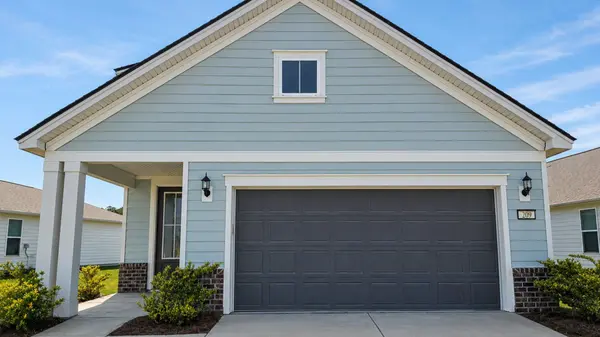
Quite a bit, and growing. Hardeeville and the surrounding Jasper County corridor are experiencing rapid residential and commercial development. Newer communities often offer contemporary floor plans, energy-efficient construction, neighborhood amenities, and lower near-term maintenance costs—advantages that are difficult to find at the same price point in Beaufort County. New construction still requires thorough due diligence: ask what's already built, what remains planned, whether amenities are complete or merely promised, and how dues will evolve as the community matures.
How is Jasper County's access to Savannah and I-95?
Excellent. Jasper County's I-95 access is a strong selling point for buyers who travel frequently, commute toward Savannah, or value easy north-south interstate travel. The South Carolina Department of Transportation is widening approximately ten miles of I-95 between the Savannah River and US-278, with completion anticipated in 2030—an investment that may meaningfully improve long-term regional mobility, though construction creates temporary delays in the meantime.
Can I find rural land or larger homesites in Jasper County?
Yes. Outside the larger planned developments, Jasper County retains significant rural character—larger parcels, wooded settings, and more distance between homes than is typical in Bluffton or Hilton Head. Rural property purchases require additional due diligence on wells, septic systems, wetlands, easements, road maintenance, internet service, and future development on adjacent land.
Jasper County, SC: Potential Drawbacks
Are everyday services limited in Jasper County?
In some parts, yes. While Hardeeville is adding retail and services, certain locations still have fewer dining options, medical offices, and specialty retailers than Bluffton or Hilton Head. Before you buy, map your actual trips to healthcare providers, grocery stores, pharmacies, and recreational destinations. A location that looks close on a map can require regular long drives in practice. For families, our Jasper County, SC Schools: A Homebuyer's Guide is a useful companion resource.
How is rapid growth affecting Jasper County neighborhoods?
Fast growth cuts both ways. New roads, stores, and services are arriving—but so is construction traffic, changing views, increased density, and pressure on existing infrastructure. Jasper County's population was estimated at 38,533 in 2025, a 33.7% increase over its 2020 base according to the U.S. Census Bureau, making it one of the fastest-growing counties in the country. Before buying, review local zoning, approved development agreements, road improvement plans, and any vacant parcels surrounding the property. A wooded view today is not guaranteed to remain wooded.
How far is Jasper County from Hilton Head beaches?
Further than most buyers expect. Jasper County is part of the Lowcountry, but most of it does not offer the same immediate access to beaches and tidal destinations as Hilton Head Island or coastal Bluffton. Buyers who plan to visit the beach, the May River waterfront, or Old Town Bluffton multiple times a week should drive those routes during a busy season before deciding.
Is Jasper County's infrastructure keeping up with growth?
It's a valid concern. In fast-growing areas, residential construction can outpace roads, commercial services, and public facilities. Always distinguish between amenities that are currently open, those under construction, and improvements that remain conceptual or contingent on future development. When in doubt, verify directly with the county planning department.
How Do Property Taxes Compare in Jasper County vs. Beaufort County?
South Carolina generally assesses a qualifying owner-occupied legal residence at 4% of assessed value; non-primary residences are typically assessed at 6%. The primary-residence classification requires a separate application and must meet all eligibility requirements—it is not automatic.
- Jasper County's official site explains property-tax classifications and FAQs.
- Beaufort County's official site offers information about the legal-residence exemption and an online property-tax estimator.
The final tax bill depends on the property's assessed value, primary vs. non-primary status, municipality and special tax district, applicable millage rates, and whether the property is reassessed following a sale. Ask the relevant county assessor for a property-specific estimate based on your anticipated purchase price—do not rely on the seller's current tax bill.
▶ Moving to the SC Lowcountry — What Buyers Need to Know
Can't see the video? Watch on the Lowcountry Lifestyle Concierge YouTube channel.
Questions Every Lowcountry Homebuyer Should Ask Before Choosing a County
- What are the total monthly ownership costs—taxes, insurance, HOA dues, special assessments, and club fees combined?
- What flood zone, elevation certificate, and hurricane evacuation zone apply to this specific property?
- Can you obtain acceptable homeowners, wind, and flood insurance at a premium that fits your budget?
- How long does it realistically take to reach your medical providers, grocery stores, and recreational activities from this address?
- What development is approved for adjacent or nearby vacant land?
- Are all advertised community roads and amenities already open—or still under construction?
- Is the property on public water and sewer, or a private well and septic system?
- What restrictions apply to short-term rentals, boats, RVs, pets, and exterior modifications?
- Have you driven your expected commute during peak traffic hours?
- Which county will support the lifestyle you plan to actually live—not just vacation in?
For a deeper relocation overview, see our Moving to Bluffton, SC Relocation Guide.
Jasper County or Beaufort County: Which Is Right for You?
Beaufort County may be the better fit if you prioritize: direct beach and waterway access, the established communities of Bluffton and Hilton Head, a broader selection of mature neighborhoods and amenities, or proximity to downtown Beaufort.
Jasper County may be the better fit if you prioritize: newer construction, additional square footage or land, stronger purchasing power, convenient I-95 and Savannah access, or a less-congested daily commute.
For many buyers, the most useful exercise is touring comparable homes in both counties and calculating total ownership costs side by side. The county line may only be a few miles away, but the everyday lived experience—driving to the doctor, making a dinner reservation, reaching the beach on a Tuesday—can feel meaningfully different.
Browse current listings in both counties | Use our free home valuation tool
Frequently Asked Questions: Jasper County vs. Beaufort County, SC
Is Jasper County part of the Lowcountry?
Yes. Jasper County is geographically and culturally part of the South Carolina Lowcountry, sharing the region's mild climate, tidal ecosystem, and Gullah Geechee heritage. Most of the county sits inland and lacks the direct coastal access of Hilton Head Island or the Bluffton waterfront.
Is it cheaper to live in Jasper County than Beaufort County, SC?
Home purchase prices tend to be lower in Jasper County. U.S. Census Bureau 2020–2024 estimates place Beaufort County's median owner-occupied home value at $455,600 versus $325,500 in Jasper County—a gap of roughly $130,000. Monthly ownership costs including taxes, insurance, and HOA fees vary by property and should be verified individually before buying.
Which SC Lowcountry county is closer to Savannah, GA?
Jasper County is closer to Savannah. Hardeeville sits at the South Carolina–Georgia border on I-95, roughly 20 miles north of downtown Savannah. Parts of Beaufort County near Bluffton are also reasonably close, but the drive is longer and may involve US-278 traffic congestion.
Are there age-restricted communities in Jasper County and Beaufort County?
Yes, both counties have 55+ and active-adult communities. Beaufort County is home to Sun City Hilton Head, one of the largest active-adult communities in the Southeast. Jasper County has growing 55+ options near Hardeeville. Compare communities, amenities, and total monthly costs in each county before making a decision.
What are the best neighborhoods in Bluffton, SC?
Bluffton's most sought-after communities include Hampton Lake, Belfair, Hampton Hall, Palmetto Bluff, Berkeley Hall, and Colleton River Plantation, each offering different lifestyle, price points, and amenity packages. Search current Bluffton listings here to compare what's available.
How do Beaufort County and Jasper County schools compare?
Beaufort County School District generally offers a broader range of campuses, established magnet programs, and higher overall district performance ratings than Jasper County schools. School quality varies by grade level and campus, so buyers with children should research specific schools by address. See our Jasper County SC Schools Homebuyer's Guide for a detailed breakdown.
Should I worry about flooding when buying in the SC Lowcountry?
Flood risk is property-specific in both counties and must be verified for each home individually. Beaufort County's coastal proximity raises flood risk significantly for some properties and negligibly for others; Jasper County's risk is generally lower but not absent near waterways. Always confirm the FEMA flood zone, review the elevation certificate, and get actual flood and wind insurance estimates before closing.
How do property taxes compare in Jasper County vs. Beaufort County, SC?
South Carolina assesses a qualifying owner-occupied primary residence at 4% of assessed value; non-primary or investment properties are assessed at 6%. The final tax bill depends on the property's assessed value, primary vs. non-primary status, municipality, special tax district, and millage rates—so neither county is universally cheaper. Always request a property-specific estimate from the county assessor based on your purchase price, and do not rely on the seller's current tax bill.
Ready to Compare Your Options in Person?
Every homebuyer's priorities are different. Stacy Whitt specializes in helping Lowcountry buyers evaluate Jasper County and Beaufort County side by side—looking at total ownership costs, lifestyle fit, and long-term value, not just the list price.
Call or text: 843-726-1328
Email: william.whitt@evrealestate.com
Browse Listings | Contact Stacy
This article is provided for general informational purposes and is not legal, tax, insurance, engineering, or financial advice. Property conditions, taxes, insurance availability, flood designations, community fees, school assignments, zoning, and development plans can change. Buyers should verify all material facts with the appropriate government agencies and qualified professionals.
Categories
- All Blogs (20)
- Abbey Glen (1)
- Beach Condos (1)
- Beaufort County (5)
- Belfair Bluffton (1)
- Berkeley Hall Bluffton (1)
- Bluffton (14)
- Colleton River Bluffton (1)
- Four Seasons at Hilton Head Lakes (1)
- Four Seasons Carolina Oaks (1)
- Golf Communities (3)
- Hardeeville (14)
- Healthcare (2)
- Hilton Head Beaches (2)
- Hilton Head Festivals (1)
- Hilton Head Island (14)
- Hilton Head Island Real Estate (9)
- Hilton Head News (1)
- Hilton Head Restaurants (1)
- HOA (8)
- Jasper County (4)
- Latitude Margaritaville Hilton Head (1)
- Lowcountry Real Estate (13)
- Luxury Homes (2)
- Luxury Neighborhoods (2)
- New Riverside (2)
- Oldfield Bluffton (1)
- Open House (3)
- Palmetto Bluff Bluffton (2)
- POA (5)
- Real Estate Market Update (4)
- Relocation Guide (16)
- Ridgeland SC (2)
- Schools (1)
- Sun City Hilton Head (7)
- The Haven (1)
- Things to Do (2)
Recent Posts